• Publications
  • Events
  • Blog
  • Membership
  • About
  • Generic selectors
    Exact matches only
    Search in title
    Search in content
    Post Type Selectors
  • Public Finance
  • Constitution & Law
  • Economic Regulation
  • Trade
  • Futures
  • Special Programme
  • Communication
  • Dashboard
    • Public Debt Counter
    • Social Economic Trends
    • PPIP
  • Home
  • Focus Areas
    • Public Finance Management
    • Constitution, Law & the Economy
    • Economic Regulation and Competition Policy
    • International Trade and Development
    • Strategic Foresight
    • Policy Engagement & Communication
    • Special Programme
  • Blog
  • Publications
    • Bulletins and Briefs
    • Research Papers
    • Books
    • Presentations
    • Newsletters
  • Events
  • Membership
  • About
    • Annual Reports & Financial Statements
    • Governance
    • Overview of IEA
    • Partners
    • Contact Us
  • Dashboard
    • Social Economic Trends
    • PPIP


4 Lessons from NHIF and Missing Hospitals


Post date: Sat, Jun 2, 2012
Category: General
By: IEA Kenya,


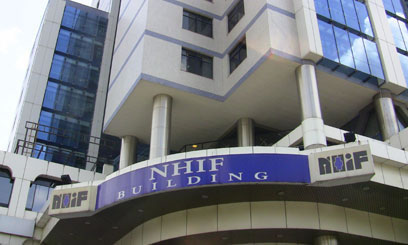
In the arena of public policy and business, the best lessons are often distilled into three pithy and memorable quotes. In respect of the revealed information on the national Hospital Insurance Fund (NHIF) one may go beyond business school wisdom and use this teachable moment to state four lessons. The performance of the management, oversight organs of the National Hospital Insurance Fund (NHIF) and the public sector in general show systemic and consistent flaws in provision of services and the management of public funds.

First, any claim that public sector performance can only be improved by adding money or increased allocations is demonstrably false. It is in the interest of the managers of state corporations and the departments that appoint those mangers to claim a direct connection between revenues and improved public service. The minuscule evidence shown so far from the management performance of the NHIF provides irrefutable evidence that for underperforming public sector offices, departments and state corporations, it is probably a grave mistake to add money as an incentive for reform or improved service delivery. In other words, Kenya’s largest health insurance fund by numbers may have legal backing to compel contributions and arbitrarily raise the monthly contributions but that is as good as pouring good money after bad. In spite of the suspension of the unpopular increase in monthly contributions, nobody is confident that this state corporation would use the additional money for better health outcomes.
Secondly, whereas the conventional wisdom in the country seems to be that the legislature is comprised of conniving party operatives with more interest in polarizing the country, this episode shows that it is far from perfect but shows flashes of fighting corruption and effective accountability more than the executive does. All factors considered, it is only the legislature through the Committee on Health that seems to have had the public interest in view. For all the offices, units and audit offices in the executive, Kenyans must wonder how come the Board, the relevant ministry and the firms that provided paid services for the NHIF missed some of the glaring things that parliament, with press assistance, easily uncovered. Taking all this together and disregarding the embarrassing actions and reversals that ensued, one must see that a form of creative tension between the legislature and the executive is an imperative for better public sector management. In this instance, it has exposed and rescued the public from loss of enormous sums.
With this performance, it is necessary to encourage the legislature to continue to perform its oversight role by using all constitutional and legislative powers. In performing its questioning in public, parliament regains some credibility and can easily show that the demands on the time of ministers should continue because that is how oversight will be ensured in the prevailing circumstances. Given the performance of the executive branch of government in the matters related to the NHIF, nobody doubts that parliament, with its imperfections retains the moral high ground.
The third lesson is that the model for the selection and nomination of board members to state corporations is fatally defective. Leaving personalities aside, it is worth noting that state corporations such as the public pensions body or the NHIF tend to have a permanent presence of professionals representing the same institutional interest groups and stakeholders. Despite this composition of the oversight boards, documents and revelations before the legislature show that these institutions repeatedly suffer from glaring missteps in financial and human resource management. Granted that such large institutions are more vulnerable to unsubstantiated claims of financial misdemeanor, the frequency and the material disclosures expose the professionals in the board to questions about the quality and adequacy of their oversight.
Two issues suggest that the management board missed important signals. One of them is that public disclosures on the audited accounts of the NHIF are not easily available to contributors and this reflects the lack of insistence of the board to ensure that they are available. Related to this is that the fact that the NHIF seemed to have partners who did not trade in good faith, suggesting that its procurement committees either failed to notice or did not appreciate the risks that management may have taken. Taking together these points, it is clear that the corporate governance level and performance of the board is inadequate. This state of affairs reflects the overall weakness in the composition of the boards of state corporations and invites further review by the legislature.
Fourthly, public procurement remains the “Achilles Heel” of not only state corporations but also the entire public sector. This is an obvious point and may sound harsh to the efforts by the Public Procurement Oversight Authority (PPOA) but it merits monotonous repetition. Unless managers in the public sector are prepared to make maximum disclosure around public procurement, there will be a number of firms who will prefer to receive public money with little fear that the non-existent medical facilities will be discovered. No public interest is served by the darkness that characterizes most decisions around public procurement today.
In conclusion, the series of mistakes and confusion that occurred leaves the entire executive branch and affected state corporation with a bad name. The majority who are concerned with public money know that if the NHIF were to be built today, the four lessons here suggest that it would look different and take less money than its present management desires.

More Blogs


To what extent is Kenya exposed to the USA Economic Outcast Sanctions on Iran?

Kenya has benefited from its relations with the world. Multilateral, plurilateral or bilateral relationships with other countries has increased Kenyan firms and individuals market access, peace cooperations, import sources and aid. Kenya has trade relations with the United State of America and the Islamic Republic of Iran. One of the most consequential relationships between the […]


Kenya Has Been Here Before: Contingent Liabilities and the National Infrastructure Fund Act

The National Infrastructure Fund Act (No. 4 of 2026) took effect on 25 March 2026 with a headline financing target: to raise about Ksh 5 trillion over ten years for highways, railways, ports, energy, information and communications technology, water and irrigation. The plan works like this. Privatization proceeds become the Fund’s starting capital. That capital […]


Kenya’s National Budget: A Matatu Ride Reflecting Fiscal Volatility and Structural Inefficiencies

Introduction The matatu metaphor can be used to analytically frame Kenya’s budget as a system that is subject to binding constraints, evolving expectations, and continuous adjustment to shocks. Like the matatu sector, fiscal policy reflects a balancing act between efficiency and quick action seeking to respond to public service delivery while constrained by competing sector […]


NTSA Should Not Regulate Public Service Vehicle Fares

Introduction Imagine paying the same fare to travel at 6 a.m. as you would at 6 p.m., even though the matatu is half-empty in the morning and packed in the evening. At 6 a.m., there may be more seats available than passengers willing to pay for them. By 6 p.m., the situation is reversed. Hundreds […]


What Would It Mean for a Hypothetical Listing of Space X On Nairobi Stock Exchange?

Absurd hypotheticals are useful precisely because they stress-test a system until its constraints become visible. This note asks what would break first if SpaceX, now a public company following its record-breaking Nasdaq debut in June 2026, with a post-IPO market value of approximately US$ 2.5 trillion, sought a secondary cross-listing on the Nairobi Securities Exchange. […]


4 Lessons from NHIF and Missing Hospitals

Post date: Sat, Jun 2, 2012
Category: General
By: IEA Kenya,


In the arena of public policy and business, the best lessons are often distilled into three pithy and memorable quotes. In respect of the revealed information on the national Hospital Insurance Fund (NHIF) one may go beyond business school wisdom and use this teachable moment to state four lessons. The performance of the management, oversight organs of the National Hospital Insurance Fund (NHIF) and the public sector in general show systemic and consistent flaws in provision of services and the management of public funds.

First, any claim that public sector performance can only be improved by adding money or increased allocations is demonstrably false. It is in the interest of the managers of state corporations and the departments that appoint those mangers to claim a direct connection between revenues and improved public service. The minuscule evidence shown so far from the management performance of the NHIF provides irrefutable evidence that for underperforming public sector offices, departments and state corporations, it is probably a grave mistake to add money as an incentive for reform or improved service delivery. In other words, Kenya’s largest health insurance fund by numbers may have legal backing to compel contributions and arbitrarily raise the monthly contributions but that is as good as pouring good money after bad. In spite of the suspension of the unpopular increase in monthly contributions, nobody is confident that this state corporation would use the additional money for better health outcomes.
Secondly, whereas the conventional wisdom in the country seems to be that the legislature is comprised of conniving party operatives with more interest in polarizing the country, this episode shows that it is far from perfect but shows flashes of fighting corruption and effective accountability more than the executive does. All factors considered, it is only the legislature through the Committee on Health that seems to have had the public interest in view. For all the offices, units and audit offices in the executive, Kenyans must wonder how come the Board, the relevant ministry and the firms that provided paid services for the NHIF missed some of the glaring things that parliament, with press assistance, easily uncovered. Taking all this together and disregarding the embarrassing actions and reversals that ensued, one must see that a form of creative tension between the legislature and the executive is an imperative for better public sector management. In this instance, it has exposed and rescued the public from loss of enormous sums.
With this performance, it is necessary to encourage the legislature to continue to perform its oversight role by using all constitutional and legislative powers. In performing its questioning in public, parliament regains some credibility and can easily show that the demands on the time of ministers should continue because that is how oversight will be ensured in the prevailing circumstances. Given the performance of the executive branch of government in the matters related to the NHIF, nobody doubts that parliament, with its imperfections retains the moral high ground.
The third lesson is that the model for the selection and nomination of board members to state corporations is fatally defective. Leaving personalities aside, it is worth noting that state corporations such as the public pensions body or the NHIF tend to have a permanent presence of professionals representing the same institutional interest groups and stakeholders. Despite this composition of the oversight boards, documents and revelations before the legislature show that these institutions repeatedly suffer from glaring missteps in financial and human resource management. Granted that such large institutions are more vulnerable to unsubstantiated claims of financial misdemeanor, the frequency and the material disclosures expose the professionals in the board to questions about the quality and adequacy of their oversight.
Two issues suggest that the management board missed important signals. One of them is that public disclosures on the audited accounts of the NHIF are not easily available to contributors and this reflects the lack of insistence of the board to ensure that they are available. Related to this is that the fact that the NHIF seemed to have partners who did not trade in good faith, suggesting that its procurement committees either failed to notice or did not appreciate the risks that management may have taken. Taking together these points, it is clear that the corporate governance level and performance of the board is inadequate. This state of affairs reflects the overall weakness in the composition of the boards of state corporations and invites further review by the legislature.
Fourthly, public procurement remains the “Achilles Heel” of not only state corporations but also the entire public sector. This is an obvious point and may sound harsh to the efforts by the Public Procurement Oversight Authority (PPOA) but it merits monotonous repetition. Unless managers in the public sector are prepared to make maximum disclosure around public procurement, there will be a number of firms who will prefer to receive public money with little fear that the non-existent medical facilities will be discovered. No public interest is served by the darkness that characterizes most decisions around public procurement today.
In conclusion, the series of mistakes and confusion that occurred leaves the entire executive branch and affected state corporation with a bad name. The majority who are concerned with public money know that if the NHIF were to be built today, the four lessons here suggest that it would look different and take less money than its present management desires.


More Blogs


To what extent is Kenya exposed to the USA Economic Outcast Sanctions on Iran?

Kenya has benefited from its relations with the world. Multilateral, plurilateral or bilateral relationships with other countries has increased Kenyan firms and individuals market access, peace cooperations, import sources and aid. Kenya has trade relations with the United State of America and the Islamic Republic of Iran. One of the most consequential relationships between the […]


Kenya Has Been Here Before: Contingent Liabilities and the National Infrastructure Fund Act

The National Infrastructure Fund Act (No. 4 of 2026) took effect on 25 March 2026 with a headline financing target: to raise about Ksh 5 trillion over ten years for highways, railways, ports, energy, information and communications technology, water and irrigation. The plan works like this. Privatization proceeds become the Fund’s starting capital. That capital […]


Kenya’s National Budget: A Matatu Ride Reflecting Fiscal Volatility and Structural Inefficiencies

Introduction The matatu metaphor can be used to analytically frame Kenya’s budget as a system that is subject to binding constraints, evolving expectations, and continuous adjustment to shocks. Like the matatu sector, fiscal policy reflects a balancing act between efficiency and quick action seeking to respond to public service delivery while constrained by competing sector […]


NTSA Should Not Regulate Public Service Vehicle Fares

Introduction Imagine paying the same fare to travel at 6 a.m. as you would at 6 p.m., even though the matatu is half-empty in the morning and packed in the evening. At 6 a.m., there may be more seats available than passengers willing to pay for them. By 6 p.m., the situation is reversed. Hundreds […]


What Would It Mean for a Hypothetical Listing of Space X On Nairobi Stock Exchange?

Absurd hypotheticals are useful precisely because they stress-test a system until its constraints become visible. This note asks what would break first if SpaceX, now a public company following its record-breaking Nasdaq debut in June 2026, with a post-IPO market value of approximately US$ 2.5 trillion, sought a secondary cross-listing on the Nairobi Securities Exchange. […]


About IEA Kenya

The Institute of Economic Affairs (IEA Kenya) is a think-tank that provides a platform for informed discussions in order to influence public policy in Kenya. We seek to promote pluralism of ideas through open, active and informed debate on public policy issues. We undertake research and conduct public education on key economic and topical issues in public affairs in Kenya and the region, and utilize the outcomes of the research for policy dialogue and to influence policy making.

Subscribe to our Newsletter

Quick Links

About
IEA Structure
Publications
Membership
Press
Blogs
Videos
Careers / Opportunities
Contacts
Public Audits

Contact US

1st Ngong Avenue, ACK Garden House, 5th Floor.

P.O. Box 53989 – 00200 Nairobi
admin@ieakenya.or.ke
+254 (020) 272 1262 / (020) 271 7402
+254 (0) 724256510 / (0) 733272126

Copyright © 2026. IEA Kenya. All Right Reserved.