
Significant Political Economy Issues from the 2023 WTO Public Forum
Category: Trade
By: Leo Kipkogei Kemboi,
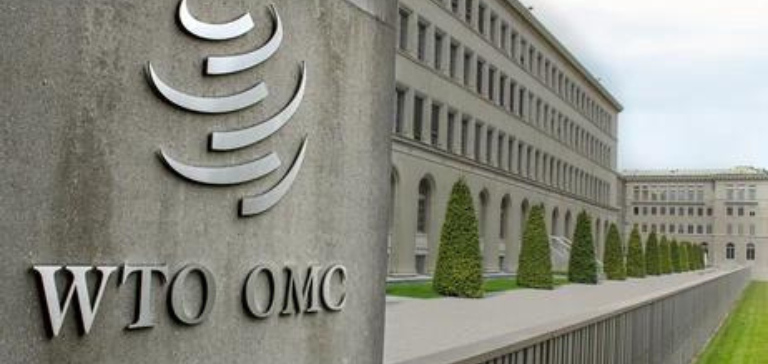
The thematic area of the 2023 WTO public forum was climate change, whose guiding motto was “It’s time to act.” Having tracked the global climate change discussions for the last decade, it is evident that it has become a more overused cliché in the global arena. After the public forum, all the high-level panels and breakout sessions were informative, top-notch knowledge, and showed real-life examples of what climate change actions could do to change the world. Given that WTO represents a global picture, it was nice to see people and experts from different cultures come together for this important meeting.
Despite all those positive attributes, I noticed some critical fundamental political economy issues listed as follows
- Current Geopolitical Events overshadowed Climate Policy Action
The policy changes on supply chain concerns arising from COVID-19 and the US-China contest overshadowed key important debates. The geopolitical tensions that have led to reshoring and friend shoring of supply chains are fears that this could lead to fragmentation of economic ties. Economic fragmentation is the deliberate undoing or reversal of the integration process. This can include reversals motivated by various strategic objectives, including those on national security.
The comments by the WTO Director-General confirm that there is no evidence of geopolitical tensions in trade data, and the data from the World Trade Report released in the same Public Forum also confirms the same. The caution, however, is that trade data is based on past investment patterns and suffers from delayed effects patterns, which means that future evidence could emerge from the future. There is evidence that major tech firms are moving supply chains and assembly locations to different parts due to legal limitations on the use of advanced semiconductor chips and the general change of investment climate as a result of these changes.
There was a broad call and consensus on advancing measures to deter economic fragmentation. However, given that this was a public forum, there were no notable commitments on what steps could be taken to Fastrack such a policy action. This is an area of concern, given that such political tensions arise. Trade policy is pulled back into national security, especially for advanced semiconductor chips, which are intermediate goods like any other form of goods; African countries don’t participate directly in their manufacturing value chains; they end up as collateral damage in the global contest. This happens while Africa has significant deposits of rare earth minerals. There was an emphasis on the importance of rare earth minerals and the need to avoid fragmentation in global supply chains.
The reconfiguration of supply chains and the risks of economic fragmentation, which can account for 5-7% of GDP. He emphasized that national security considerations in trade can harm multilateralism and discussed the enormous resource requirements to reduce CO2 emissions.
- The Significance of Digital Trade
During the session, it was highlighted that digital trade constitutes a substantial portion of the global economy, amounting to 4 trillion out of a total of 31 trillion in global trade. This underscores the growing importance of digital transactions in the modern global economy.
The observation that digital trade constitutes a substantial portion of the global economy presents several political economy challenges for Africa. However, each of these challenges also carries the potential for growth and development if African countries choose to address them strategically.
Firstly, the digital divide is a significant challenge in Africa, with disparities in internet access and technological infrastructure. By investing in digital infrastructure and connectivity, African nations can bridge this divide, enabling broader participation in the digital economy. This not only fosters economic growth but also empowers marginalized communities.
Economic disparities arising from the dominance of digital trade can be an opportunity for inclusive growth. African governments can implement policies supporting digital literacy and skills development, ensuring that a broader population can benefit from the digital economy. This inclusivity can lead to greater economic participation and reduced inequality.
Regulatory challenges associated with digital trade allow African countries to create a favourable business environment. By crafting clear and transparent regulations that promote innovation, protect consumers, and ensure fair competition, African nations can attract foreign investment and foster a thriving digital sector.
Dealing with taxation issues associated with digital trade can catalyse domestic revenue generation. African governments can establish mechanisms to capture a fair share of digital trade profits, reinvesting this revenue into infrastructure development and public services. This can drive economic growth and reduce dependence on foreign aid.
Data privacy and security concerns offer an opportunity for African countries to establish robust data protection frameworks. This builds trust with international partners and positions African nations as safe and reliable digital trade partners. Enhanced data protection can attract foreign investment and stimulate economic growth.
Investment in domestic technology and innovation can address dependency on external digital platforms. African countries can foster the growth of local tech start-ups and enterprises, reducing reliance on foreign platforms. This approach can lead to the creation of jobs and a thriving tech ecosystem.
The disruption of traditional industries by e-commerce and digital markets is a chance for diversification and economic transformation. African countries can invest in upskilling and retraining programs to help workers transition to the digital economy. This shift can drive innovation and create new job opportunities.
Ensuring access to financial services in digital trade can drive financial inclusion. African governments can promote policies that encourage the growth of digital payment systems and banking infrastructure, bringing more citizens into the formal financial sector and stimulating economic activity.
Addressing intellectual property challenges is an opportunity to support innovation and creativity. By establishing clear intellectual property rights and enforcement mechanisms, African countries can encourage domestic innovation and creative industries, contributing to economic growth.
Trade imbalances in digital trade can be rectified by promoting digital exports. African nations can nurture local digital start-ups and industries to export their products and services to the global market. This mitigates trade imbalances and stimulates economic growth and job creation.
In conclusion, while the challenges associated with the growing importance of digital trade in Africa are significant, they also offer opportunities for growth and development if African countries proactively address them. With strategic policies and investments, these challenges can become stepping stones to a more vibrant and inclusive digital economy on the continent.
- The Concept of a Just Transition and the Role of Trade in Climate Action
The discussion introduced the concept of a just transition, emphasizing the need to address human needs. It was noted that a significant portion of jobs, approximately 70%, is contributed by global micro, small, and medium-sized enterprises (MSMEs). These firms are essential in tackling issues with asymmetry of information, skills, technology, financing, and climate change solutions. Diversification is essential for sustainable growth because SMEs may face pressure from environmental standards implementation. The need for effective transition strategies, such as Jamaica’s shift from being the world’s largest banana exporter in the 1980s to regenerative food systems, was also discussed.
The session further underscored the role of trade in facilitating climate action, particularly in the transfer of green technology and decarbonizing supply chains. The significance of government procurement agreements and trade facilitation agreements in reducing the carbon footprint was emphasized.
- The Impact of Climate Change and Green Transition
Participants discussed the real-world implications of climate change on livelihoods and people. The session acknowledged the disruptions in global supply chains during the COVID-19 pandemic, which slowed the progress of renewable energy projects. Moreover, the “Green Moon-shot” by ITC was highlighted as an imperative for sustainable development. This ambitious goal necessitates concrete measures to assist small businesses in transitioning towards green practices and adapting to evolving markets and cost dynamics. The role of trade in decarbonization was emphasized, with the need for substantial investments to drive this transition. The limitations of debt in pursuing green investments were acknowledged, underscoring the importance of addressing financial constraints.
The 2023 WTO Public Forum emphasized critical political economy issues:
- Geopolitical tensions and supply chain disruptions due to COVID-19 threaten climate policy actions. Addressing economic fragmentation and its impact on African countries is vital.
- Digital trade’s significant role in the global economy presents opportunities and challenges for Africa, from addressing the digital divide to regulating and taxing digital commerce.
- The concept of a just transition for small businesses and the role of trade in climate action were discussed, highlighting the importance of transition strategies and green technology transfer.
- Climate change’s real-world impact on livelihoods, supply chains, and green transition was recognized, underscoring the need for substantial investments and addressing financial constraints.
In conclusion, the forum calls for international cooperation to tackle these issues, taking concrete actions to promote sustainability and inclusive economic growth.
More Blogs
The Fast Lane Costs More than Projected: Using Demand Analysis to Reveal Impacts of the Rise in Nairobi Expressway Toll Fees Using Demand Concepts
In a Public-public-private partnership, the private partner typically assumes many responsibilities throughout the project life cycle. In a Build-Operate-Transfer (BOT) model, the private entity is responsible for an infrastructure project’s design, construction, financing, and operation for a specific period. The private entity, called the concessionaire, operates the project and recovers construction costs through user fees, […]
Key Political Economy Issues of Kenya’s Taxation System
This blog highlights IEA’s most recent work on taxation, a problem-driven political economy analysis of taxation.[i] After the study’s publication, a webinar was held to discuss the findings of the political economy analysis available here. [ii] In the introduction, the study outlines how Kenya’s tax policy faces challenges from its political ecosystem, structural factors, and […]
Court adjournments and case burdens, and the implications for access to justice
Case Adjournments is one of the key issues that contributes to case backlogs because it reduces the efficiency of courts. An adjournment in a legal setting involves pausing or temporally stopping ongoing proceedings to be continued at a later time, date, or location. It may also indicate the end of the day’s proceedings. Parties involved […]
Potential Benefits and Risks of Inter-Sacco Lending Rate
Introduction In February 2023, the Kenyan government announced its intention to establish a framework that will enable Savings and Credit Cooperative Societies (SACCOs) to extend loans to each other. This inter-Sacco lending framework shall be set up by the Sacco Societies Regulatory Authority (SASRA) and was anticipated to be in effect from August 2023. This […]
Increasing Enrolment in Kenya’s Social Health Insurance: How Best It Can Be Done
While Kenya has long implemented the NHIF (National Hospital Insurance Fund) whose core mandate is to provide medical insurance coverage to all its members and their declared dependants and also to make medical care affordable, enrolment rates, particularly in the voluntary and informal sectors, remain low. Yet, NHIF is the most common type of health […]
Significant Political Economy Issues from the 2023 WTO Public Forum
| Post date: Thu, Jan 25, 2024 |
| Category: Trade |
| By: Leo Kipkogei Kemboi, |
The thematic area of the 2023 WTO public forum was climate change, whose guiding motto was “It’s time to act.” Having tracked the global climate change discussions for the last decade, it is evident that it has become a more overused cliché in the global arena. After the public forum, all the high-level panels and breakout sessions were informative, top-notch knowledge, and showed real-life examples of what climate change actions could do to change the world. Given that WTO represents a global picture, it was nice to see people and experts from different cultures come together for this important meeting.
Despite all those positive attributes, I noticed some critical fundamental political economy issues listed as follows
- Current Geopolitical Events overshadowed Climate Policy Action
The policy changes on supply chain concerns arising from COVID-19 and the US-China contest overshadowed key important debates. The geopolitical tensions that have led to reshoring and friend shoring of supply chains are fears that this could lead to fragmentation of economic ties. Economic fragmentation is the deliberate undoing or reversal of the integration process. This can include reversals motivated by various strategic objectives, including those on national security.
The comments by the WTO Director-General confirm that there is no evidence of geopolitical tensions in trade data, and the data from the World Trade Report released in the same Public Forum also confirms the same. The caution, however, is that trade data is based on past investment patterns and suffers from delayed effects patterns, which means that future evidence could emerge from the future. There is evidence that major tech firms are moving supply chains and assembly locations to different parts due to legal limitations on the use of advanced semiconductor chips and the general change of investment climate as a result of these changes.
There was a broad call and consensus on advancing measures to deter economic fragmentation. However, given that this was a public forum, there were no notable commitments on what steps could be taken to Fastrack such a policy action. This is an area of concern, given that such political tensions arise. Trade policy is pulled back into national security, especially for advanced semiconductor chips, which are intermediate goods like any other form of goods; African countries don’t participate directly in their manufacturing value chains; they end up as collateral damage in the global contest. This happens while Africa has significant deposits of rare earth minerals. There was an emphasis on the importance of rare earth minerals and the need to avoid fragmentation in global supply chains.
The reconfiguration of supply chains and the risks of economic fragmentation, which can account for 5-7% of GDP. He emphasized that national security considerations in trade can harm multilateralism and discussed the enormous resource requirements to reduce CO2 emissions.
- The Significance of Digital Trade
During the session, it was highlighted that digital trade constitutes a substantial portion of the global economy, amounting to 4 trillion out of a total of 31 trillion in global trade. This underscores the growing importance of digital transactions in the modern global economy.
The observation that digital trade constitutes a substantial portion of the global economy presents several political economy challenges for Africa. However, each of these challenges also carries the potential for growth and development if African countries choose to address them strategically.
Firstly, the digital divide is a significant challenge in Africa, with disparities in internet access and technological infrastructure. By investing in digital infrastructure and connectivity, African nations can bridge this divide, enabling broader participation in the digital economy. This not only fosters economic growth but also empowers marginalized communities.
Economic disparities arising from the dominance of digital trade can be an opportunity for inclusive growth. African governments can implement policies supporting digital literacy and skills development, ensuring that a broader population can benefit from the digital economy. This inclusivity can lead to greater economic participation and reduced inequality.
Regulatory challenges associated with digital trade allow African countries to create a favourable business environment. By crafting clear and transparent regulations that promote innovation, protect consumers, and ensure fair competition, African nations can attract foreign investment and foster a thriving digital sector.
Dealing with taxation issues associated with digital trade can catalyse domestic revenue generation. African governments can establish mechanisms to capture a fair share of digital trade profits, reinvesting this revenue into infrastructure development and public services. This can drive economic growth and reduce dependence on foreign aid.
Data privacy and security concerns offer an opportunity for African countries to establish robust data protection frameworks. This builds trust with international partners and positions African nations as safe and reliable digital trade partners. Enhanced data protection can attract foreign investment and stimulate economic growth.
Investment in domestic technology and innovation can address dependency on external digital platforms. African countries can foster the growth of local tech start-ups and enterprises, reducing reliance on foreign platforms. This approach can lead to the creation of jobs and a thriving tech ecosystem.
The disruption of traditional industries by e-commerce and digital markets is a chance for diversification and economic transformation. African countries can invest in upskilling and retraining programs to help workers transition to the digital economy. This shift can drive innovation and create new job opportunities.
Ensuring access to financial services in digital trade can drive financial inclusion. African governments can promote policies that encourage the growth of digital payment systems and banking infrastructure, bringing more citizens into the formal financial sector and stimulating economic activity.
Addressing intellectual property challenges is an opportunity to support innovation and creativity. By establishing clear intellectual property rights and enforcement mechanisms, African countries can encourage domestic innovation and creative industries, contributing to economic growth.
Trade imbalances in digital trade can be rectified by promoting digital exports. African nations can nurture local digital start-ups and industries to export their products and services to the global market. This mitigates trade imbalances and stimulates economic growth and job creation.
In conclusion, while the challenges associated with the growing importance of digital trade in Africa are significant, they also offer opportunities for growth and development if African countries proactively address them. With strategic policies and investments, these challenges can become stepping stones to a more vibrant and inclusive digital economy on the continent.
- The Concept of a Just Transition and the Role of Trade in Climate Action
The discussion introduced the concept of a just transition, emphasizing the need to address human needs. It was noted that a significant portion of jobs, approximately 70%, is contributed by global micro, small, and medium-sized enterprises (MSMEs). These firms are essential in tackling issues with asymmetry of information, skills, technology, financing, and climate change solutions. Diversification is essential for sustainable growth because SMEs may face pressure from environmental standards implementation. The need for effective transition strategies, such as Jamaica’s shift from being the world’s largest banana exporter in the 1980s to regenerative food systems, was also discussed.
The session further underscored the role of trade in facilitating climate action, particularly in the transfer of green technology and decarbonizing supply chains. The significance of government procurement agreements and trade facilitation agreements in reducing the carbon footprint was emphasized.
- The Impact of Climate Change and Green Transition
Participants discussed the real-world implications of climate change on livelihoods and people. The session acknowledged the disruptions in global supply chains during the COVID-19 pandemic, which slowed the progress of renewable energy projects. Moreover, the “Green Moon-shot” by ITC was highlighted as an imperative for sustainable development. This ambitious goal necessitates concrete measures to assist small businesses in transitioning towards green practices and adapting to evolving markets and cost dynamics. The role of trade in decarbonization was emphasized, with the need for substantial investments to drive this transition. The limitations of debt in pursuing green investments were acknowledged, underscoring the importance of addressing financial constraints.
The 2023 WTO Public Forum emphasized critical political economy issues:
- Geopolitical tensions and supply chain disruptions due to COVID-19 threaten climate policy actions. Addressing economic fragmentation and its impact on African countries is vital.
- Digital trade’s significant role in the global economy presents opportunities and challenges for Africa, from addressing the digital divide to regulating and taxing digital commerce.
- The concept of a just transition for small businesses and the role of trade in climate action were discussed, highlighting the importance of transition strategies and green technology transfer.
- Climate change’s real-world impact on livelihoods, supply chains, and green transition was recognized, underscoring the need for substantial investments and addressing financial constraints.
In conclusion, the forum calls for international cooperation to tackle these issues, taking concrete actions to promote sustainability and inclusive economic growth.
More Blogs
The Fast Lane Costs More than Projected: Using Demand Analysis to Reveal Impacts of the Rise in Nairobi Expressway Toll Fees Using Demand Concepts
In a Public-public-private partnership, the private partner typically assumes many responsibilities throughout the project life cycle. In a Build-Operate-Transfer (BOT) model, the private entity is responsible for an infrastructure project’s design, construction, financing, and operation for a specific period. The private entity, called the concessionaire, operates the project and recovers construction costs through user fees, […]
Key Political Economy Issues of Kenya’s Taxation System
This blog highlights IEA’s most recent work on taxation, a problem-driven political economy analysis of taxation.[i] After the study’s publication, a webinar was held to discuss the findings of the political economy analysis available here. [ii] In the introduction, the study outlines how Kenya’s tax policy faces challenges from its political ecosystem, structural factors, and […]
Court adjournments and case burdens, and the implications for access to justice
Case Adjournments is one of the key issues that contributes to case backlogs because it reduces the efficiency of courts. An adjournment in a legal setting involves pausing or temporally stopping ongoing proceedings to be continued at a later time, date, or location. It may also indicate the end of the day’s proceedings. Parties involved […]
Potential Benefits and Risks of Inter-Sacco Lending Rate
Introduction In February 2023, the Kenyan government announced its intention to establish a framework that will enable Savings and Credit Cooperative Societies (SACCOs) to extend loans to each other. This inter-Sacco lending framework shall be set up by the Sacco Societies Regulatory Authority (SASRA) and was anticipated to be in effect from August 2023. This […]
Increasing Enrolment in Kenya’s Social Health Insurance: How Best It Can Be Done
While Kenya has long implemented the NHIF (National Hospital Insurance Fund) whose core mandate is to provide medical insurance coverage to all its members and their declared dependants and also to make medical care affordable, enrolment rates, particularly in the voluntary and informal sectors, remain low. Yet, NHIF is the most common type of health […]